
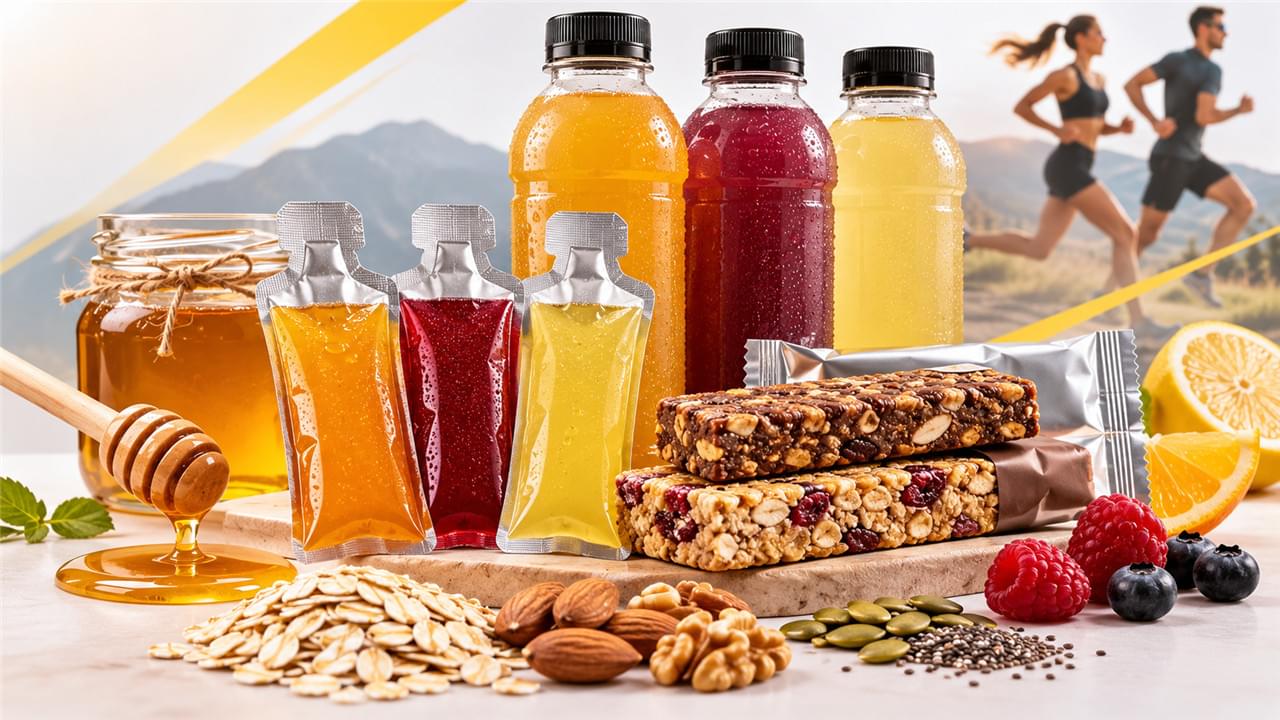
Health and nutrition products are where a sweetener stops being an ingredient and becomes a claim. Honey, date syrup, and propolis bring bioactive compounds, antioxidants, and real mineral density to the table — credentials that informed consumers can verify, not just marketing copy they have to believe. That is exactly why functional food sweetener formulation is unforgiving: the dose, the matrix, and the regulatory file all have to hold up together. Get it right across sports nutrition, nutraceuticals, and age-specific products, and the sweetener earns its premium. These seven rules show where that line sits.
⭐ The short version: honey carries the sports fuel story and the gel physics, date syrup carries adaptogens and minerals, and the fastest way to lose a health product is an unsubstantiated claim — or honey anywhere near an infant SKU. That is functional food sweetener formulation in one breath.
🏃 Sports Nutrition: Where Chemistry Becomes the Claim
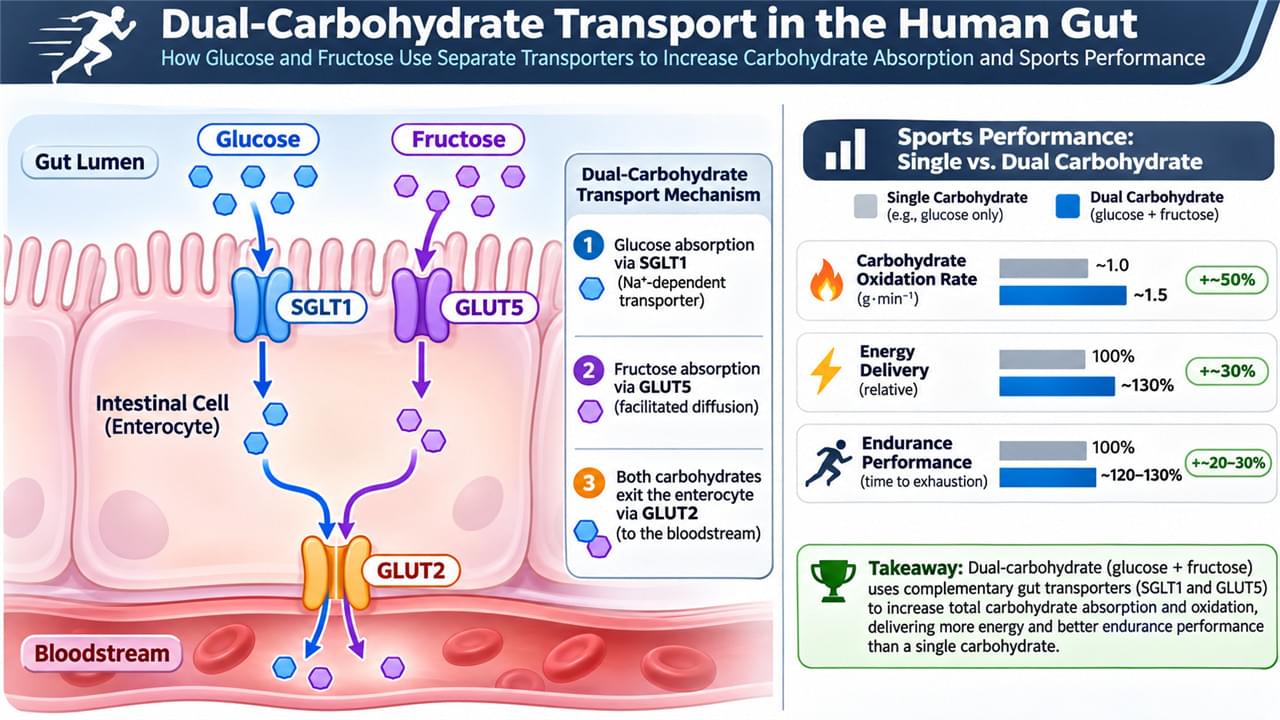
🧪 Rule 1: Functional Food Sweetener Formulation Starts With Dual-Transport Fuel
Honey’s carbohydrate profile (~38% fructose, ~31% glucose, balance as disaccharides and oligosaccharides) mirrors the dual-carbohydrate transport blends that sports science keeps ranking as optimal for endurance:
- Single-transporter carbs (glucose alone): gut absorption caps out near ~60 g/hour
- Dual-transport blend (glucose + fructose at 1:1–2:1): absorption climbs to 75–90 g/hour
- Honey, as-is: a naturally occurring dual-transport matrix — no blending required
Peer-reviewed work published in the Journal of the International Society of Sports Nutrition has confirmed honey’s equivalence to commercial glucose-fructose gels in time-trial cycling performance. That’s an authentic “proven to fuel endurance performance” message — rare in this category, and worth protecting.
🍯 Rule 2: Honey Energy Gels Are Functional Food Sweetener Formulation Physics
Honey is technically ideal as a gel base, and the numbers explain why:
| Property | Honey Performance |
|---|---|
| Consistency | 20,000–100,000 cP ambient; flows at body temperature |
| Caloric density | 304 kcal/100 g — efficient delivery per gram |
| Digestibility | Rapidly absorbed; minimal GI distress reported |
| Flavor | Masks bitter actives (caffeine, amino acids) effectively |
| Stability | Indefinite at ≥60°Brix; zero preservatives needed |
A typical gel: 70–80% honey, 10–15% electrolyte solution, 5–10% active blend, trace flavoring. That simplicity is why honey in sports gel formulation keeps beating engineered syrup bases — the carrier is the fuel.
💪 Rule 3: Recovery Products Deliver Two Claims for One Ingredient
Honey’s glucose fraction rapidly replenishes muscle glycogen post-exercise, while the antioxidants in darker honeys may help blunt exercise-induced oxidative stress — a dual-function story competitors can’t copy with corn syrup. For post-workout bars, this is functional food sweetener formulation doing triple duty: run honey at 15–25% and it contributes glycogen replenishment, moisture retention that keeps the bar soft through shelf life, and binding in one ingredient.
🧬 Nutraceuticals: When the Sweetener Is Also the Active
🐝 Rule 4: Pair Propolis With Honey, Not With Fillers
Propolis — the resinous compound bees collect — is loaded with flavonoids, phenolic acids, and terpenes carrying documented antimicrobial and anti-inflammatory bioactivity. In natural sweetener nutraceutical product development, honey and propolis are a working pair, not two ingredients sharing a label:
- Propolis lozenges: 5–15% ethanolic propolis extract with honey as the matrix binder
- Throat sprays: propolis extract 10–20% in honey-glycerin solution
- Supplement capsules: standardized propolis extract, minimum 10% total flavonoids
The bioactivity and sourcing details are covered in our propolis bioactive properties guide. Few carrier systems do more heavy lifting in functional food sweetener formulation than this pair.
🛡️ Rule 5: High-Brix Honey Preserves Immune Syrups — No Preservatives
Herbal immune syrups lean on honey twice: as a preservation medium and as a traditional-use synergist. At 60°Brix minimum, honey builds an osmotic environment that inhibits microbial growth without pasteurization — which is what keeps the “raw” claim alive. It is the rare functional food sweetener formulation lever that cuts cost and strengthens the label at the same time. A working elderberry honey syrup:
- Raw honey: 60–65% w/w (hold ≥60°Brix for preservation)
- Elderberry extract, standardized to anthocyanins: 15–25%
- Water: 10–20%; optional ginger, cinnamon, clove as functional flavor enhancers
Regulatory note: “supports immune health” needs substantiation in both EU and US markets. Honey’s traditional-use recognition is broad, but specific claims (e.g., “reduces cold duration”) demand clinical evidence or formal notification.
🌿 Rule 6: Date Syrup Carries Adaptogens in Functional Food Sweetener Formulation
Adaptogenic botanicals — ashwagandha, rhodiola, reishi — taste bitter and earthy, and liquid formats live or die on masking that. Date syrup excels as the vehicle: its rich, complex flavor covers bitter actives, its potassium, magnesium, and iron reinforce the mineral-synergy story, and it is clean label, allergen-free, and vegan-compliant. Few ingredients pull formulation duty and label duty simultaneously — a genuine date syrup functional food application with no asterisks.
👶 Age-Specific Rules in Functional Food Sweetener Formulation
⚠️ The Under-12-Months Honey Ban Is Absolute
Honey must not appear in any food, supplement, or health product intended for children under 12 months. The infant botulism risk from Clostridium botulinum spores is recognized by every major authority — FDA, EFSA, WHO, and Food Standards Australia New Zealand. The ban covers honey in all forms (raw, pasteurised, processed), any product containing honey as an ingredient, and herbal syrups on a honey base marketed toward infants. Above 12 months, honey is fair game with full label declaration.
🧑🦳 Elderly Nutrition: Sweeteners That Do Clinical Work
Senior nutrition products reward sweeteners with nutrient density beyond the sugar — in elderly-focused functional food sweetener formulation, that nutrient payload is the entire brief. Date syrup’s iron content supports anemia prevention relevant to elderly populations; honey delivers energy densely without large volumes and has established wound-healing use in topical medical products; and maple syrup’s manganese (3.7 mg/100 g) feeds bone-health messaging for osteoporosis-conscious shoppers.
📋 The Regulatory Fine Print
Functional food sweetener formulation ultimately lives or dies on documentation. Claims frameworks differ by market:
| Market | Permissible Claims | Documentation Required |
|---|---|---|
| EU | Traditional herbal claims (honey); general function claims with substantiation | EFSA dossier or Article 13.1 list reference |
| US (FDA) | Structure/function claims with 30-day notification | Competent and reliable scientific evidence |
| UK (post-Brexit) | Retained EU framework; consult FSA | FSA notification |
| GCC/Gulf | Approved claim list; honey traditional claims generally accepted | National food authority registration |
The EFSA health claims database is the reference point for EU dossiers — build the file before the label, never after.
✅ The Bottom Line
In health and nutrition, the sweetener is the story: fuel physics in sports gels, preservation in immune syrups, bioactivity alongside propolis, mineral density for senior diets. Respect the infant ban, substantiate every claim, and benchmark the whole program against our complete natural sweetener formulation guide. For the health-science side of honey and bee products, our health and nutritional impacts pillar maps the evidence base your claims team will need.
 English
 Arabic
 French
 German
 Portuguese
 Russian
 Spanish
 Japanese
 Korean