

According to HealthFocus International, reducing sugar intake was the top dietary change consumers made in the past year, and consumers believe that the best way for food and beverage manufacturers to make products healthier is to reduce sugar. So, under the trend of sugar reduction, which raw materials will lead the future of low-sugar formulations? Consumer preferences may be used as a reference.
A UNESCO survey found that 53% of consumers prefer rice syrup, and 48% of consumers have a positive impression of tapioca syrup. These are traceable sugar substitutes that can be directly applied in large quantities and also contribute to consumer-friendly labels.
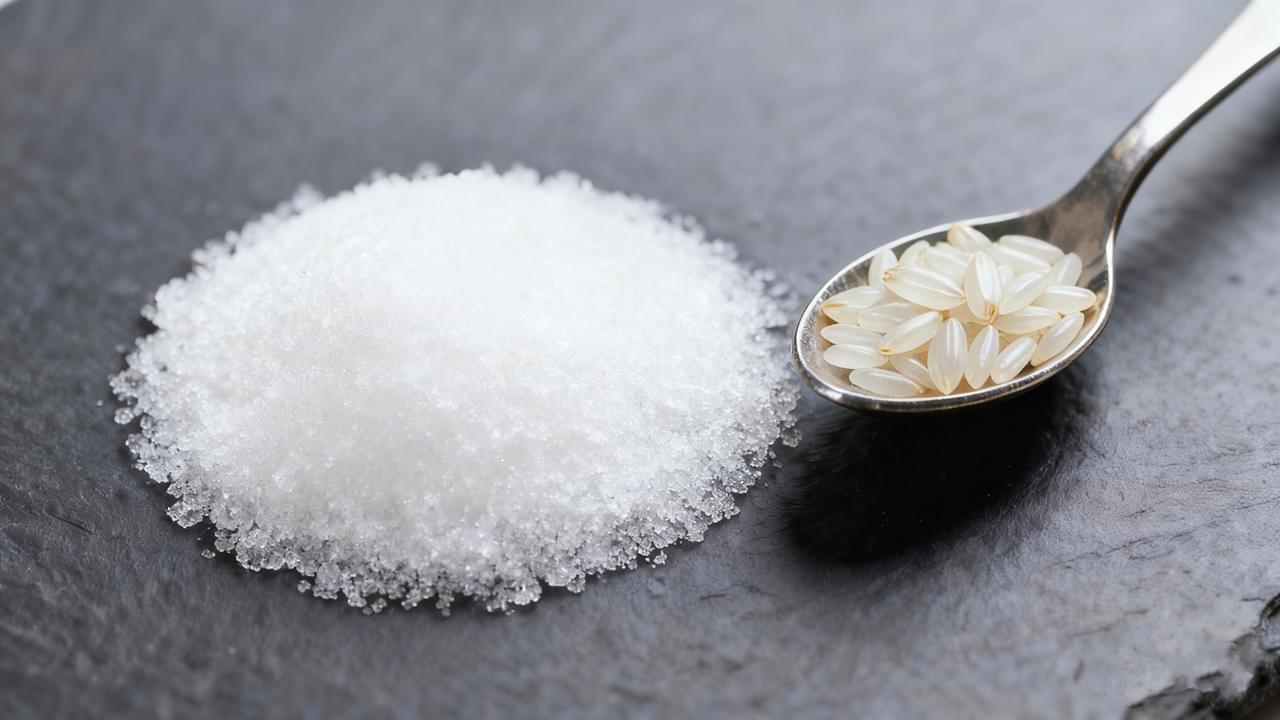
Tapioca syrup and rice syrup are natural sweeteners made from plant starches that have become increasingly popular as sugar reduction alternatives in recent years. They have several advantages:
· Natural, organic, non-GMO: Tapioca syrup and rice syrup are both made from natural ingredients and are not genetically modified, so they better meet the demand for healthy foods.
· Allergen-free: Tapioca syrup and rice syrup do not contain common allergens such as gluten, dairy, and soy, so they are suitable for people with allergies to these substances.
· Lower calories: Tapioca syrup and rice syrup have lower calories than sucrose, so they can help reduce calorie intake.
· Low glycemic index: Tapioca syrup and rice syrup have a low glycemic index (GI), which means they do not cause blood sugar to rise as quickly as sucrose.
· Unique flavor and texture: Tapioca syrup and rice syrup have unique flavors and textures that can add flavor and mouthfeel to food and beverages.
Table of Contents
ToggleTapioca Syrup: A Sweetener with High Sweetness and Stability
Specifically, tapioca syrup has the following advantages:
High Sweetness: Tapioca syrup is about 1.5 times sweeter than sucrose, so it can be used in smaller quantities to achieve the same sweetness.
Good Stability: Tapioca syrup has good stability and is not easily spoiled, making it suitable for baking and confectionery.
Crystallization Prevention: Tapioca syrup has good crystallization resistance, making it suitable for ice cream and frosting.
Rice Syrup: A Sweetener with Smooth Texture and Moisture Retention
Rice syrup has the following advantages:
Smooth Texture: Rice syrup has a smooth texture, making it suitable for beverages and sauces.
Good Moisture Retention: Rice syrup has good moisture retention, which can keep food moist.
Prevent Bread Staling: Rice syrup can prevent bread from staling, making it suitable for bread making.
As the demand for healthier food and beverages continues to grow, tapioca syrup and rice syrup are expected to see even greater demand in the coming years. Food and beverage manufacturers that are looking to reduce sugar without sacrificing taste or quality should consider using tapioca syrup and rice syrup in their products.

 EN_US
EN_US AR
AR FR
FR DE
DE PT
PT RU
RU ES
ES JA
JA KO
KO