

Honey varieties shape flavor, functionality, pricing, and positioning in today’s competitive food industry. For manufacturers, distributors, and ingredient buyers, understanding these differences is more than academic—it directly impacts product consistency and brand value.
From light floral acacia honey to dark antioxidant-rich buckwheat honey, each type serves a specific technical and commercial purpose. In this guide, we explore production methods, applications, sourcing strategies, and how to select the right honey for food manufacturing 🌍.
🌼 What Defines Different Honey Varieties?
Honey varieties are classified primarily by nectar source, geography, and processing methods. The floral origin influences aroma, color, viscosity, and sugar composition.
🌸 Honey Varieties by Floral Source
Monofloral honey comes predominantly from one plant species. Polyfloral honey blends nectar from multiple flowers. Honeydew honey is derived from tree sap or insect secretions.
Each category offers distinct performance characteristics:
- Monofloral honey benefits include flavor consistency and premium positioning.
- Polyfloral honey offers broader taste profiles and cost flexibility.
- Honeydew honey delivers darker color and higher mineral content.
For B2B buyers, floral origin often determines formulation stability and labeling claims.
🍯 1. Honey Varieties and Production Process
Understanding production ensures quality control and compliance.
🐝 From Nectar to Finished Product
Bees collect nectar, convert it enzymatically, and reduce moisture through natural evaporation. After harvesting, honey is:
- Extracted from combs
- Filtered to remove wax particles
- Gently heated (if needed) to control crystallization
- Tested for moisture and purity
High-quality suppliers maintain moisture below 18% and ensure no adulteration.
Wuhu Deli Foods applies strict quality standards aligned with international food safety systems. You can review product specifications on their official honey page:
👉 https://delimfg.com/natural-honey/
🌼 2. Monofloral Honey Benefits for Premium Products
Monofloral honey benefits extend beyond taste. For manufacturers producing premium baked goods, beverages, or health-focused foods, consistency is critical.
⭐ Key Advantages
- Predictable flavor batch after batch
- Strong floral identity for labeling
- Premium consumer perception
- Easier product standardization
Acacia honey, for example, offers mild sweetness and slow crystallization. Buckwheat honey provides bold flavor and antioxidant richness.
These features help brands differentiate in saturated retail markets.
🏭 3. Honey Varieties in Food Manufacturing
When selecting honey for food manufacturing, technical performance matters as much as flavor.
🔬 Functional Properties in Processing
Honey contributes:
- Natural sweetness
- Moisture retention
- Browning enhancement
- Mild acidity for preservation
- Viscosity control
In bakery products, honey improves texture and shelf life. In beverages, it provides clean-label sweetness. In sauces and dressings, it stabilizes emulsions.
Manufacturers looking to scale globally need reliable supply channels. That leads to the next critical topic.
🌍 4. Bulk Honey Sourcing Strategies
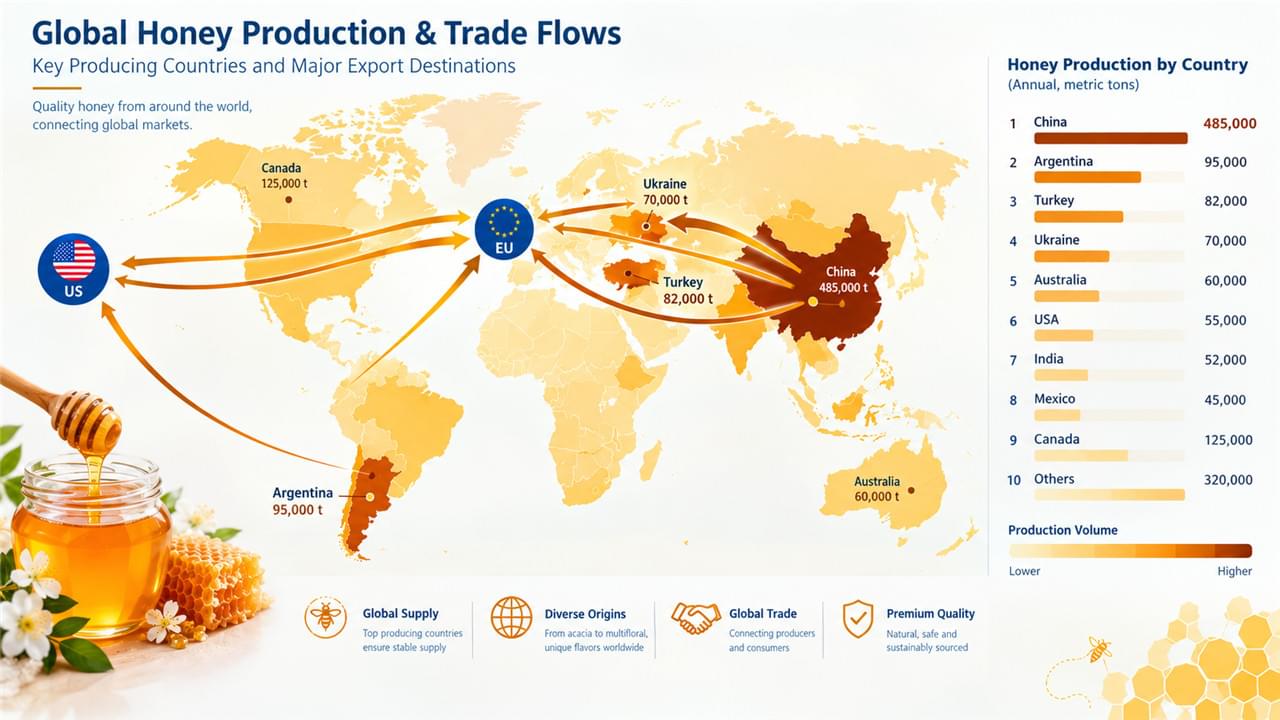
Bulk honey sourcing requires attention to origin transparency, certification, and logistical capacity.
📦 What B2B Buyers Should Evaluate
- Country of origin
- Annual production capacity
- Testing reports (antibiotics, heavy metals)
- Organic or halal certifications
- Supply chain stability
China remains one of the world’s largest honey exporters. Established manufacturers like Wuhu Deli Foods operate with over 20 years of production experience and export to 30+ countries.
For bulk inquiries or sampling:
👉 https://delimfg.com/contact/
Reliable sourcing minimizes price volatility and production disruptions.
🌈 5. Popular Honey Varieties Compared
Below is a recommended comparison table for publication:
| Variety | Color | Flavor Profile | Ideal Applications |
| Acacia | Light | Mild, floral | Beverages, desserts |
| Clover | Light amber | Balanced sweetness | General food use |
| Buckwheat | Dark brown | Bold, molasses-like | Cereals, health foods |
| Manuka | Dark amber | Herbal, strong | Functional foods |
| Orange Blossom | Golden | Citrus aroma | Yogurt, sauces |

📈 6. Market Trends Shaping Honey Varieties Demand
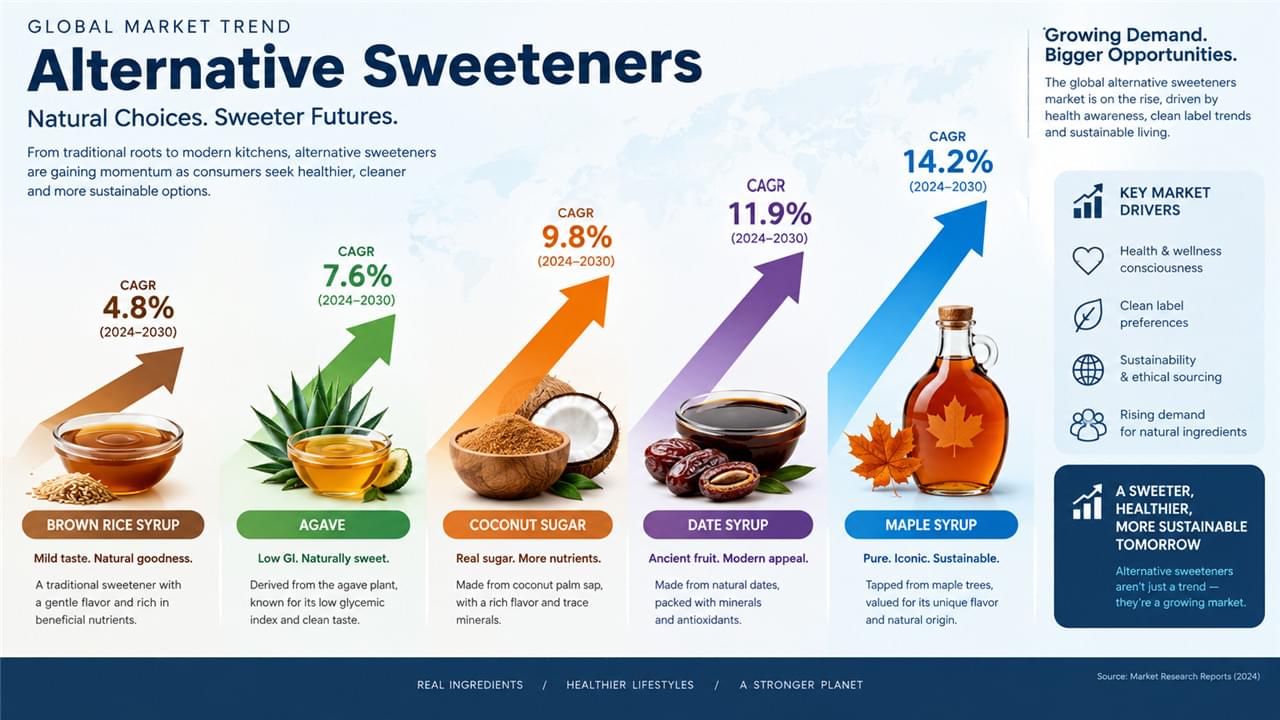
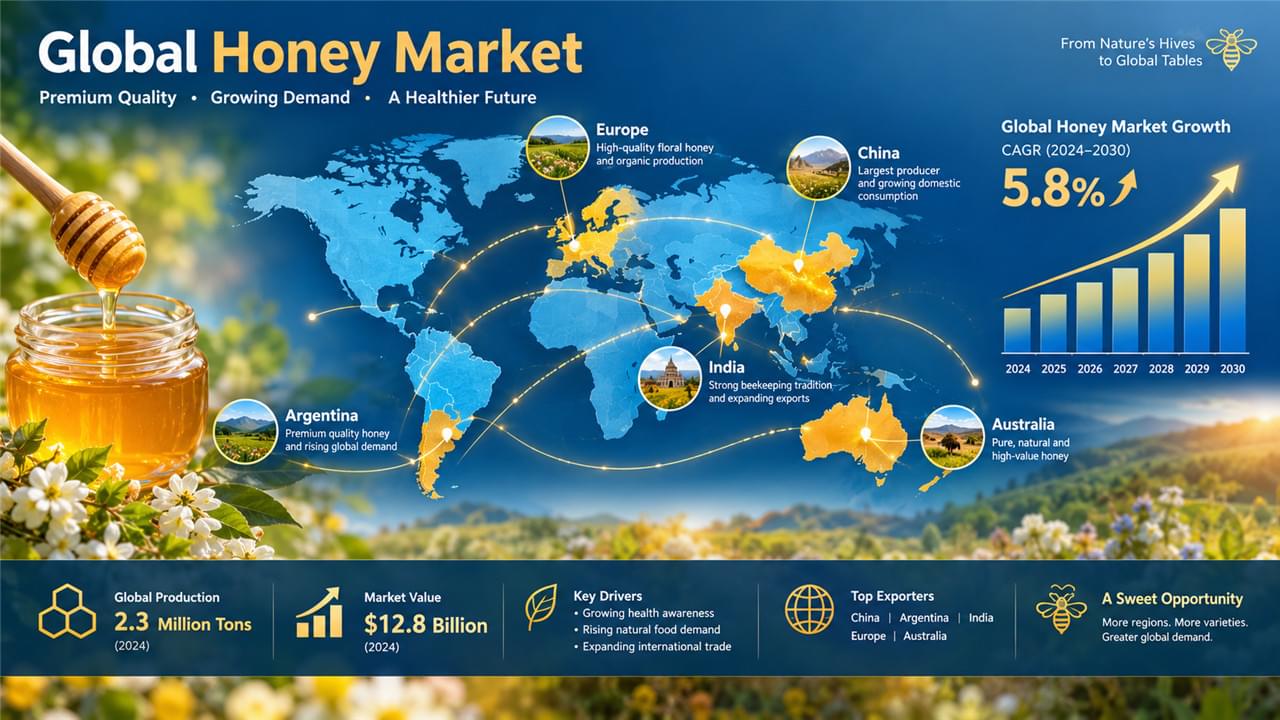
Global demand for natural sweeteners continues to grow. Clean-label movements and reduced-refined-sugar trends drive manufacturers toward honey.
Consumers increasingly associate honey with:
- Natural origin
- Antioxidant properties
- Digestive benefits
- Sustainable agriculture
This shift strengthens demand for traceable, certified honey varieties across Europe, North America, and Asia.
For global honey market statistics, reference credible industry data sources such as FAO:
👉 https://www.fao.org/home/en
🔍 7. How to Choose the Right Honey Varieties for Your Business
When evaluating options, ask:
- Does the flavor align with your product profile?
- Is color consistency important?
- Do you require organic certification?
- What are annual volume requirements?
Selecting the right honey varieties is both a sensory and strategic decision. The best suppliers combine product quality with supply reliability.
🚀 Partner With a Trusted Honey Supplier
At Wuhu Deli Foods, we understand that honey varieties are not just ingredients—they are brand assets.
With decades of export experience, strict quality control, and scalable production capacity, we support global manufacturers seeking dependable honey for food manufacturing.
Explore our product portfolio here:
👉 https://delimfg.com/
Or request a tailored quotation today. Our team is ready to support your sourcing needs.
Final Thoughts
Honey varieties offer far more than sweetness. They influence taste, texture, branding, and long-term supply stability.
For serious B2B buyers, knowledge is leverage. When you understand floral origin, production standards, and bulk honey sourcing dynamics, you gain a competitive edge 🌍🍯.
If you are developing new formulations or expanding internationally, choosing the right honey partner makes all the difference.
Let’s build something naturally better—together.
 English
 Arabic
 French
 German
 Portuguese
 Russian
 Spanish
 Japanese
 Korean