
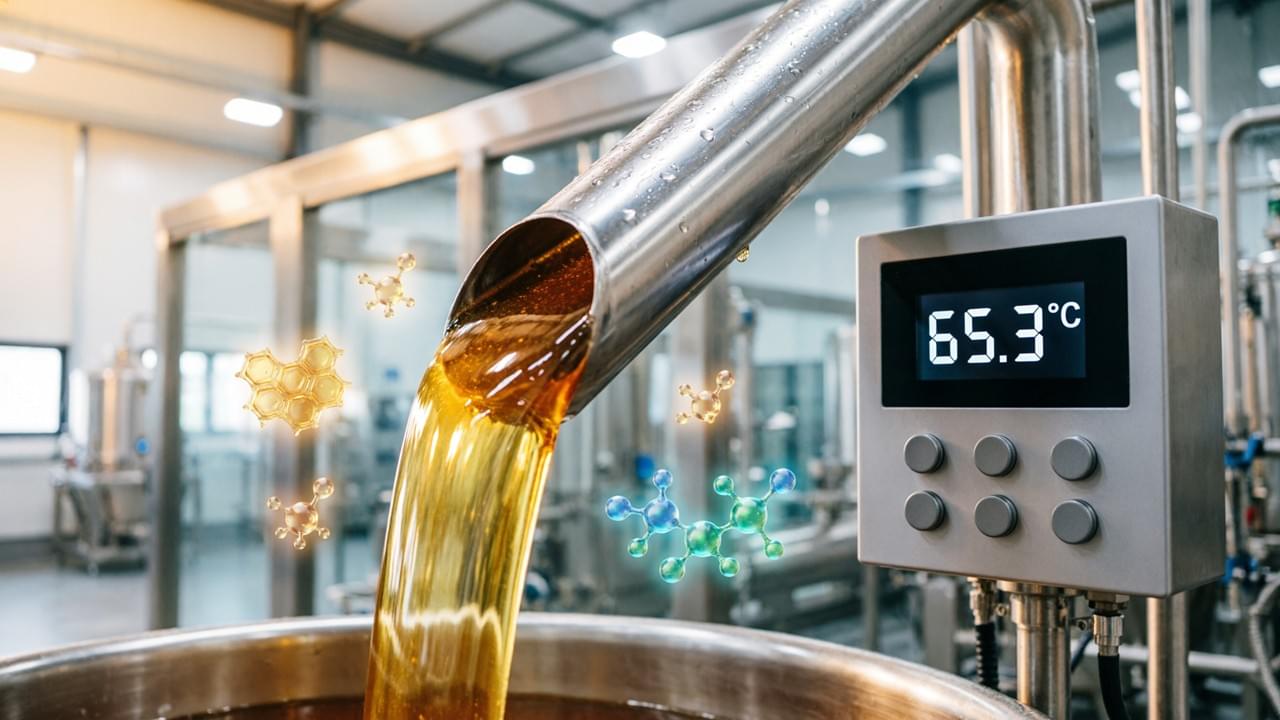
Honey processing effects play a decisive role in determining product quality, functionality, and nutritional value. For food manufacturers and bulk buyers, processing is not just a technical step—it directly impacts enzyme activity, antioxidant levels, and overall ingredient performance.
In modern food production, balancing safety, shelf life, and nutritional integrity is essential. Understanding how heat affects honey enzymes and other sensitive compounds allows buyers to make smarter sourcing decisions 🌍.
Table of Contents
Toggle🔬 What Are Honey Processing Effects?
Honey processing refers to all treatments applied after extraction, including filtration, heating, and storage.
⚙️ Common Processing Steps
- Filtration to remove wax and impurities
- Controlled heating to delay crystallization
- Moisture reduction for stability
- Packaging under hygienic conditions
Each step influences honey processing effects, particularly on bioactive compounds such as enzymes and antioxidants.
🌡 1. How Heat Affects Honey Enzymes
Temperature is the most critical factor in honey processing effects.
🔥 Key Impact of Heat
- Enzymes like diastase and invertase are heat-sensitive
- High temperatures reduce enzyme activity
- Overheating can destroy natural antibacterial properties
Studies show that excessive heating significantly reduces enzyme levels, which are often used as indicators of honey freshness and quality.
👉 This is why understanding how heat affects honey enzymes is essential for both manufacturers and consumers.
⚖️ 2. Raw vs Processed Honey Differences
The debate around raw vs processed honey differences is especially relevant in premium and functional food markets.
🍯 Raw Honey
- Minimal processing
- Higher enzyme activity
- More natural pollen content
- Shorter shelf stability
🏭 Processed Honey
- Filtered and standardized
- Longer shelf life
- More consistent texture
- Reduced bioactive content
For B2B applications, processed honey is often preferred due to stability and scalability, even if some nutrients are reduced.
🧪 3. Impact on Antioxidants and Nutrients
Beyond enzymes, honey processing effects also influence antioxidants.
🌿 What Changes During Processing?
- Phenolic compounds may decrease under heat
- Vitamin content slightly reduces
- Color may darken due to chemical reactions
However, moderate processing can preserve most beneficial compounds while ensuring safety and consistency.
📊 Suggested Visual:
Line chart showing antioxidant loss at increasing temperature levels.
🏭 4. Honey Processing Effects in Food Manufacturing
In industrial applications, processing is often necessary.
🔧 Why Processing Matters
- Improves product consistency
- Prevents fermentation
- Enhances shelf life
- Facilitates large-scale production
For example, bakery manufacturers rely on stable honey viscosity and sugar composition to maintain product quality.
👉 Explore industrial-grade honey solutions:
https://delimfg.com/natural-honey/
🛡 5. Honey Quality Control in Processing
Strict quality control is essential to balance safety and nutrition.
✅ Key Control Measures
- Temperature monitoring during heating
- Enzyme activity testing (diastase index)
- Moisture content control (<18%)
- Residue and contamination testing
Professional suppliers implement honey quality control in processing to ensure compliance with international standards.
Delimfg follows strict production protocols to maintain both quality and scalability for global buyers.
🌍 6. Global Standards and Buyer Considerations
Different markets impose different requirements on processed honey.
📋 What Buyers Should Check
- Codex Alimentarius standards
- EU honey directives
- FDA labeling compliance
- Organic certification (if required)
For global trade reference, consult:
👉 https://www.fao.org/home/en
Understanding these frameworks helps buyers align sourcing with regulatory expectations.
🔗 How This Connects to Honey Nutritional Composition
Processing directly affects honey nutritional composition, especially enzymes and antioxidants.
👉 Read more here:
https://delimfg.com/honey-nutritional-composition-benefits
You can also explore the full honey ecosystem in the pillar guide:
👉 https://delimfg.com/honey-varieties-production-sourcing-guide
🚀 Work With a Reliable Honey Processing Partner
At Delimfg, we understand that honey processing effects must be carefully controlled—not minimized or ignored.
Our approach ensures:
- Balanced processing techniques
- Stable product quality
- Compliance with global food standards
- Reliable bulk supply capacity
👉 Contact our team for customized solutions:
https://delimfg.com/contact/
Honey processing effects are not inherently negative—they are necessary for modern food production. The key lies in optimizing processing conditions to preserve natural value while ensuring safety and consistency.
For B2B buyers, the goal is clear:
Choose suppliers who understand both science and scale 🍯
When processing is done right, honey remains one of the most versatile and valuable natural ingredients available today.

 English
 Arabic
 French
 German
 Portuguese
 Russian
 Spanish
 Japanese
 Korean