
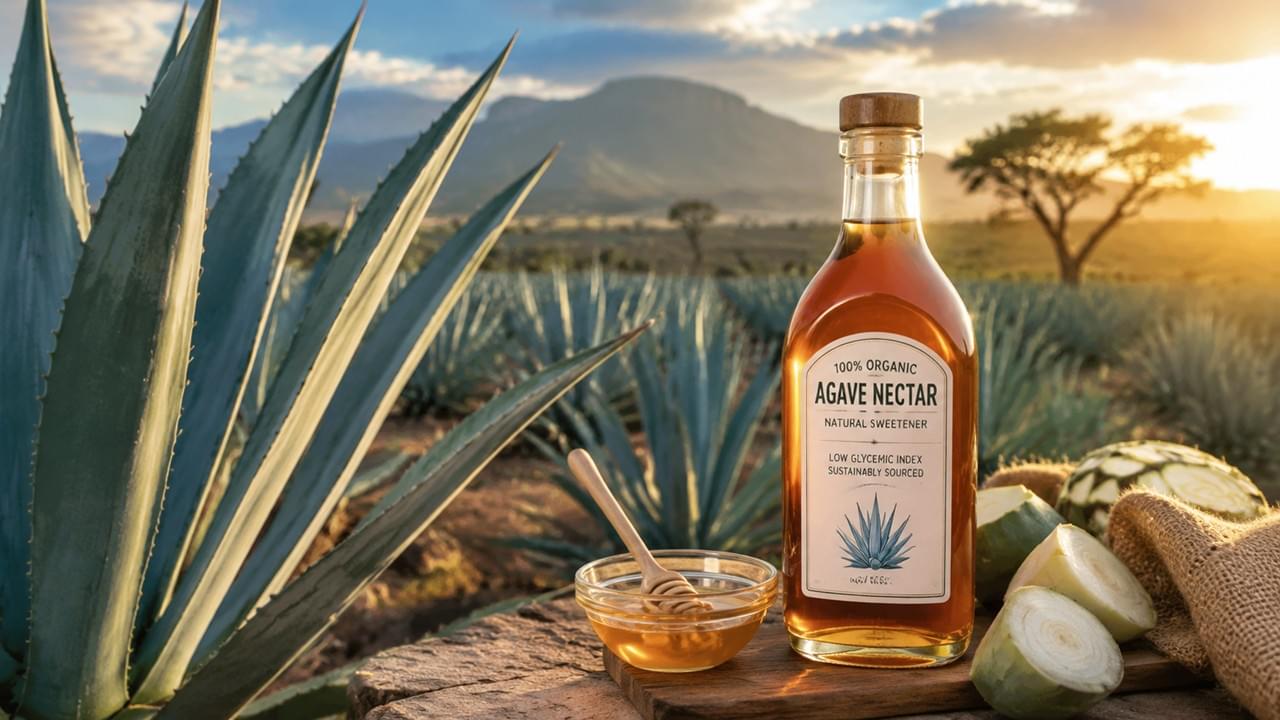
Agave Nectar Applications: Properties, Low-GI Benefits, and Food Industry Uses
Natural sweeteners are becoming increasingly important as food manufacturers respond to growing demand for clean-label, functional, and better-for-you ingredients. Among these alternatives, Agave Nectar Applications have gained attention because of their unique sweetness profile, smooth texture, and versatility across different food categories.
Derived from the agave plant, agave nectar (also known as agave syrup) offers manufacturers a liquid sweetener solution with high sweetness intensity and a relatively low glycemic response. For B2B buyers, understanding its composition, processing methods, and practical applications is essential before selecting it for commercial formulations.
🌵 Understanding Agave Nectar Production and Processing
Agave nectar is extracted mainly from the core of the agave plant, known as the piña. Commercial production is concentrated in Mexico, particularly regions with suitable climates for blue agave cultivation.
The manufacturing process typically involves extracting natural carbohydrates from the plant and converting complex sugars into a sweeter liquid through enzymatic hydrolysis. Different processing methods influence the final color, flavor, and positioning of the product.
Agave Nectar Applications Depend on Processing Types
Different grades of agave nectar provide different formulation advantages:
| Type | Processing Features | Typical Characteristics |
|---|---|---|
| Raw Agave Nectar | Lower-temperature processing | Premium positioning, natural image |
| Light Agave Nectar | Filtered and refined | Neutral flavor, versatile applications |
| Amber Agave Nectar | Partial filtration | Mild caramel-like notes |
| Dark Agave Nectar | Minimal filtration | Richer flavor for specialty products |
For manufacturers developing premium products, processing transparency is increasingly important. While terms such as “raw” may support marketing claims, buyers should always request technical documentation to confirm production methods and specifications.

🍯 Agave Nectar Applications and Functional Properties
The unique composition of agave nectar determines its performance in food formulations. Its high fructose content creates several functional advantages that make it attractive for beverage, bakery, and nutrition product manufacturers.
Agave Nectar Low Glycemic Index Benefits
One of the most recognized features of agave nectar is its low glycemic index profile compared with traditional sucrose-based sweeteners.
Because fructose has a different metabolic pathway from glucose, agave nectar generally produces a slower increase in blood glucose levels. This characteristic has helped position agave as an ingredient for products targeting:
✅ Low-GI product concepts
✅ Natural sweetener positioning
✅ Reduced refined sugar formulations
✅ Functional beverage development
However, manufacturers should consider the complete nutritional profile rather than relying only on GI values. Balanced formulation and accurate labeling remain essential for responsible product development.
⚙️ Key Technical Advantages of Agave Syrup Food Manufacturing
From a formulation perspective, agave syrup food manufacturing offers several practical benefits:
1. High Sweetness Efficiency
Agave nectar is approximately 1.4–1.6 times sweeter than sucrose, allowing manufacturers to achieve desired sweetness levels with smaller usage quantities.
This can help optimize recipes where sugar reduction, calorie management, or ingredient simplification are priorities.
2. Excellent Moisture Retention
Fructose has strong hygroscopic properties, meaning it attracts and retains moisture. This makes agave nectar useful in products where texture stability matters.
Common applications include:
- Granola bars
- Energy snacks
- Soft cookies
- Baked nutrition products
The moisture-retaining ability helps maintain softness and improves consumer experience during shelf life.
🥤 Beverage Industry: One of the Fastest-Growing Agave Nectar Applications
The beverage sector has become one of the most promising areas for agave nectar applications due to its easy mixing characteristics and clean taste.
Unlike crystalline sugar, liquid agave nectar dissolves quickly without additional heating, making it convenient for cold beverage production.
Typical applications include:
Natural and Functional Drinks
Agave nectar is widely considered for:
- Cold brew coffee
- Organic iced tea
- Plant-based beverages
- Sports nutrition drinks
- Better-for-you soft drinks
Its mild flavor allows beverage developers to maintain the original taste profile while replacing traditional sweeteners.
For companies exploring broader natural sweetener options, manufacturers may also compare agave with ingredients discussed in guides such as Natural Syrups and Alternative Sweeteners Guide.
🍪 Bakery, Snacks, and Dairy: Expanding Agave Nectar Applications
Beyond beverages, Agave Nectar Applications continue expanding in bakery, snacks, and dairy alternatives because of its functional properties and clean-label appeal.
Bakery and Snack Formulations
In bakery products, agave nectar provides sweetness while helping maintain moisture and improve texture.
Common applications include:
- 🍪 Energy bars and granola products — improves binding performance and softness
- 🥧 Cookies and baked snacks — supports moisture retention and extended freshness
- 🌾 Natural cereal products — enhances sweetness without using refined sugar
Because agave nectar is a liquid ingredient, manufacturers may need to adjust water balance and processing parameters during formulation development.
For companies developing natural sweetener systems, understanding ingredient interactions is essential. A detailed comparison with other sweetening solutions can be found in our guide about Comparative Analysis of Sweeteners.
🥛 Dairy Alternatives and Functional Nutrition Products
The growth of plant-based foods has created new opportunities for Agave Nectar Applications.
Agave nectar is commonly used in:
- 🌱 Almond, oat, and coconut-based beverages
- 🥣 Plant-based yogurt alternatives
- 🍦 Non-dairy frozen desserts
- 💪 Sports nutrition products
Its neutral flavor profile allows manufacturers to create products where the main ingredients remain noticeable. In frozen desserts, fructose can also influence freezing behavior and help create a smoother texture.
For brands targeting health-conscious consumers, combining agave nectar with other functional ingredients can support premium product positioning.
📊 Nutritional Profile and Technical Characteristics
For food manufacturers, technical specifications are critical when selecting sweeteners. Typical agave nectar characteristics include:
| Property | Typical Range | Manufacturing Relevance |
|---|---|---|
| Brix | 75–80° | Similar concentration level to liquid sweeteners such as honey |
| Sweetness | 1.4–1.6× sucrose | Lower dosage requirement |
| Color | Light golden to amber | Flexible visual positioning |
| Flavor | Neutral to mild | Minimal impact on final products |
| Viscosity | Moderate-low | Easy pumping and blending |
These characteristics make agave nectar suitable for large-scale food production where consistency, processing efficiency, and sensory quality are important.
Companies looking for alternative sweetener strategies can also explore our resource on Formulating Foods with Natural Sweeteners.

🌍 Regulatory and Market Considerations
Before launching products containing agave nectar, manufacturers should evaluate regional regulations, labeling requirements, and consumer expectations.
United States Market
Agave nectar is widely used as a food ingredient and is generally accepted under existing food safety regulations. Manufacturers should ensure product claims comply with FDA labeling requirements.
European Market
In Europe, agave nectar can be used as a food ingredient under general food regulations. However, companies should carefully review requirements for nutritional claims, organic certification, and sugar-related statements.
Organic and Clean Label Trends
Certified organic agave nectar has gained popularity among brands seeking natural ingredient positioning.
The increasing demand for:
✅ Organic ingredients
✅ Plant-based products
✅ Reduced refined sugar solutions
✅ Transparent sourcing
continues supporting the market potential of agave-based sweeteners.
For nutritional information and ingredient references, manufacturers can also review resources from the USDA FoodData Central database.
📦 Choosing a Reliable Bulk Agave Nectar Supplier
For industrial buyers, selecting the right bulk agave nectar supplier requires more than comparing prices.
Key factors include:
1. Quality Documentation
Professional suppliers should provide:
- Product specifications
- Microbiological testing reports
- Allergen statements
- Traceability information
2. Supply Stability
Agave production is mainly concentrated in Mexico. Weather conditions, agricultural challenges, and market demand can influence availability.
A reliable supplier should have stable sourcing channels and consistent quality control systems.
3. Application Support
Experienced ingredient suppliers should help customers evaluate:
- Sweetness adjustment
- Processing compatibility
- Packaging options
- Export requirements
This support is especially valuable for beverage companies, bakery manufacturers, and food brands developing new products.
🚀 Future Opportunities for Agave Nectar Applications
The demand for natural and functional sweeteners continues to grow worldwide. As consumers become more interested in cleaner ingredient labels, agave nectar remains an attractive option for manufacturers seeking alternatives to traditional sweeteners.
The strongest opportunities are expected in:
🌱 Plant-based nutrition
🥤 Functional beverages
🍫 Healthy snacks
🍪 Clean-label bakery products
However, successful product development requires a balanced understanding of both benefits and limitations. Agave nectar can provide excellent formulation advantages, but manufacturers should evaluate nutritional positioning, consumer expectations, and regional market preferences.
📩 Partner with an Experienced Natural Sweetener Supplier
Selecting the right ingredient partner can simplify product development and improve supply reliability.
Whether you are developing beverages, bakery products, nutritional foods, or private-label solutions, working with a professional bulk agave nectar supplier can help ensure consistent quality and efficient production.
👉 Contact our team to request technical specifications, samples, and customized ingredient solutions for your next food innovation project.



 English
 Arabic
 French
 German
 Portuguese
 Russian
 Spanish
 Japanese
 Korean