

In an era defined by rising costs, fast-changing consumer preferences, and intense retail competition, private label foods have emerged as one of the most reliable profit engines for retailers and growing brands. What was once viewed as a low-cost alternative is now a strategic model for margin protection, innovation, and long-term growth.
Across categories such as honey, syrups, plant-based proteins, and functional ingredients, private label foods allow businesses to regain control over pricing, speed, and differentiation. Below, we explore seven practical reasons why this model consistently delivers higher profitability — and how the right manufacturing partner amplifies these advantages.
Table of Contents
Toggle💰 Private Label Foods and Higher Gross Margins
One of the strongest financial benefits of private label foods is direct margin ownership. Unlike national brands, private label products are not burdened by brand licensing fees, heavy advertising costs, or rigid pricing structures.
Through private label food manufacturing, retailers can optimize ingredient selection, packaging formats, and production scale based on real cost-performance needs. Manufacturers such as Deli Foods, which offer free OEM and ODM support, help clients reduce development expenses while improving private label food margins, especially in high-volume categories like honey and rice syrup.
🎯 Pricing Power Through Private Label Foods
With private label foods, pricing decisions remain firmly in the hands of retailers and brand owners. This allows faster adjustments to raw material fluctuations, promotional strategies, or regional demand shifts.
Instead of reacting to supplier price changes, private label owners set pricing proactively. This flexibility enables better category management — balancing entry-level, core, and premium SKUs to maximize overall shelf profitability rather than relying on a single brand’s performance.
⚡ Faster Innovation With Private Label Foods
Speed is a decisive competitive advantage in today’s food market. Consumer demand for clean labels, plant-based nutrition, and functional ingredients evolves rapidly, and private label foods enable brands to respond without delay.
Through OEM private label foods, experienced manufacturers like Deli Foods support rapid formulation, packaging customization, and regulatory alignment. This allows retailers to move from concept to shelf efficiently, without investing in internal R&D or production infrastructure. Faster launches capture trends earlier and shorten the return-on-investment cycle.
🌱 Differentiation Without Heavy Brand Spending
Unlike national brands that rely on large advertising budgets, private label foods differentiate through the product itself. Ingredient transparency, clean formulations, sustainable sourcing, and functional benefits become the core value drivers.
This product-led approach significantly reduces marketing costs while strengthening consumer trust. Many private label products today successfully occupy premium positions on the shelf — without premium branding expenses — improving net profitability per unit.
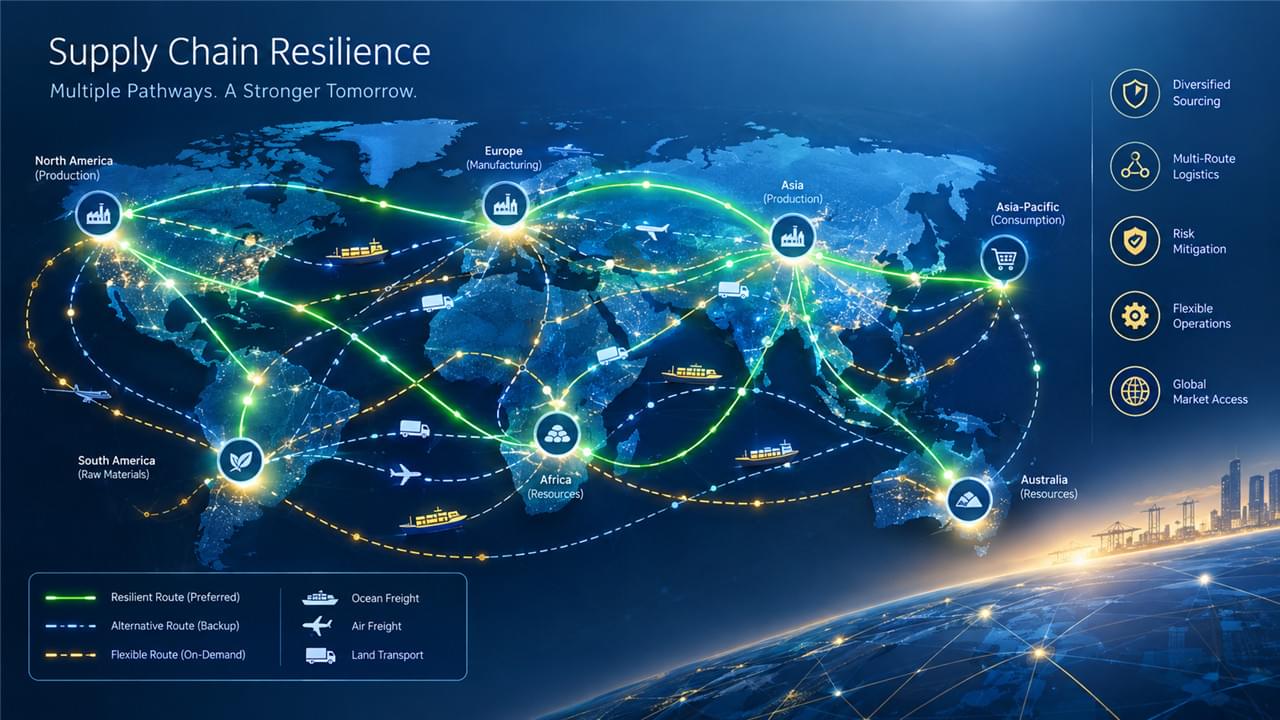
🔒 Supply Chain Stability Through Private Label Foods
Profitability is not only driven by sales but also by risk control. Private label foods offer greater stability when supported by a reliable manufacturing partner.
Companies like Deli Foods, with over 20 years of export experience and a diversified ingredient portfolio, help private label clients secure consistent supply across multiple categories. Their large-scale production capacity and certified food safety systems reduce the risk of delays, compliance issues, or reformulation costs — all of which quietly erode margins in volatile markets.
📈 Scalable Growth Without Capital Burden
Building in-house production facilities requires heavy capital investment and regulatory expertise. Private label foods eliminate these barriers.
With OEM and ODM support, retailers and brands can scale volumes, expand product lines, and enter new markets without owning manufacturing assets. This asset-light model improves return on investment and allows resources to be reinvested into brand development, channel expansion, and innovation.
🧠 Data Ownership Drives Smarter Decisions
Another often-overlooked advantage of private label foods is data ownership. Retailers retain full visibility into sales performance, consumer feedback, and regional demand patterns.
When paired with a responsive manufacturing partner like Deli Foods, data-driven insights can be implemented quickly — whether adjusting sweetness profiles, refining protein ratios, or launching region-specific SKUs. According to industry research from Nielsen, private label growth is increasingly driven by data-led category strategies rather than price alone.
Why Private Label Foods Are a Smarter Profit Strategy
Private label foods are no longer a compromise — they are a deliberate and scalable profit strategy. By combining margin control, pricing flexibility, faster innovation, and supply chain resilience, private label products empower retailers and brands to compete more intelligently in today’s food industry.
Success ultimately depends on choosing the right manufacturing partner — one that delivers quality, compliance, and customization at scale. When executed correctly, private label foods don’t just follow market trends — they help define them.
 English
 Arabic
 French
 German
 Portuguese
 Russian
 Spanish
 Japanese
 Korean