
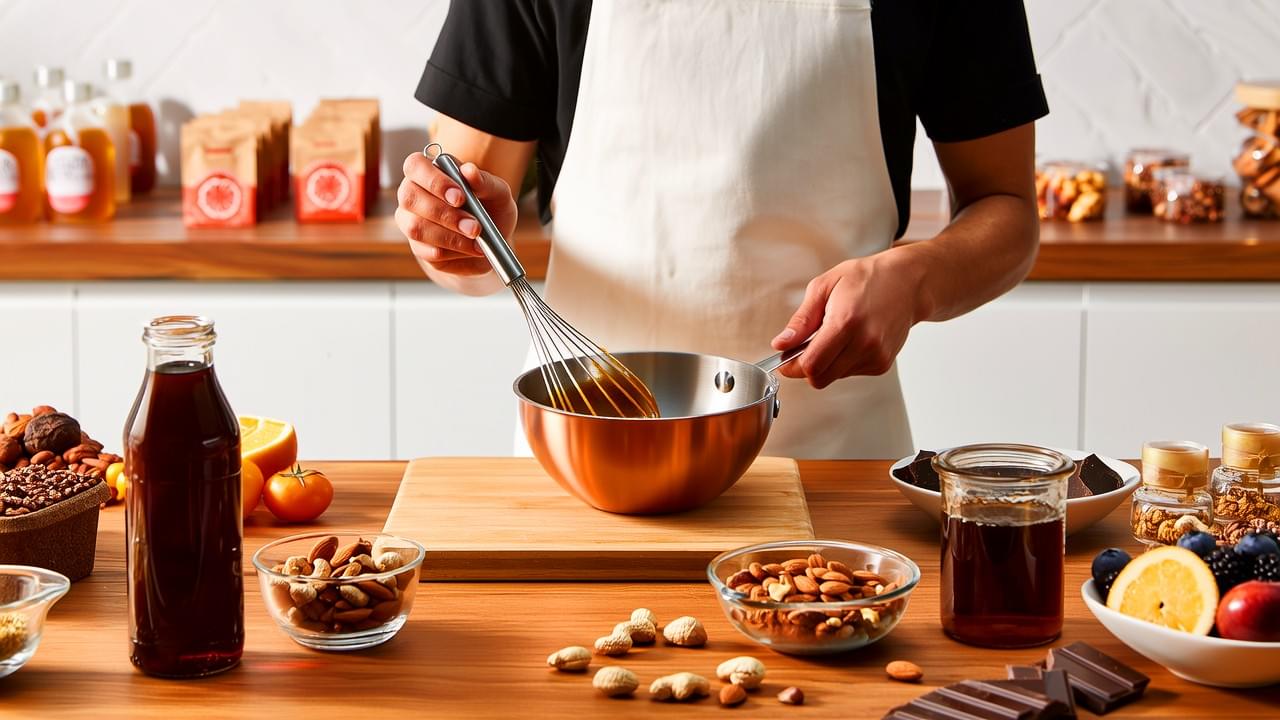
In today’s rapidly evolving food industry, consumers are increasingly demanding products that are not only delicious but also boast transparent ingredient lists and align with healthier lifestyles. This shift has ignited a vigorous pursuit for natural, functional, and clean-label ingredients. Among the frontrunners in this movement is organic brown rice syrup, a versatile sweetener that is reshaping product development across numerous categories. From refreshing beverages to wholesome energy bars, this unique ingredient offers a compelling solution for food manufacturers aiming for innovation and market leadership.
Organic brown rice syrup is more than just a sweet alternative to refined sugars; it’s a multifaceted ingredient offering a spectrum of functional benefits. As a B2B food manufacturer or product developer, understanding the profound impact of this natural sweetener can unlock new possibilities for your product lines, enhance consumer appeal, and streamline your clean-label initiatives. Its appeal lies in its ability to deliver sweetness alongside valuable textural and binding properties, all while maintaining an uncompromised commitment to natural and organic purity.
Table of Contents
ToggleWhat is Organic Brown Rice Syrup? Understanding Its Core Appeal
At its heart, organic brown rice syrup is a natural sweetener derived from organic brown rice. The production process typically involves enzymatic hydrolysis of cooked rice starch, breaking it down into a blend of sugars, primarily maltose, glucose, and a small amount of dextrins. This unique sugar profile contributes to its distinct characteristics and functional advantages.
Crucially, the “organic” certification signifies that the rice used is cultivated without synthetic pesticides, fertilizers, or genetically modified organisms (GMOs). This commitment to organic farming resonates deeply with modern consumers who prioritize environmentally conscious and pure food choices. Unlike high-fructose corn syrup, organic brown rice syrup offers a more balanced sweetness and a complex carbohydrate structure, leading to a more sustained energy release rather than a rapid sugar spike. Its natural composition positions it as a superior alternative for companies striving for clean-label excellence.
The Functional Edge: Why Organic Brown Rice Syrup is a Formulator’s Dream
The versatility of organic brown rice syrup stems from its impressive functional properties, making it an indispensable tool for food scientists and product developers. These attributes address critical needs in product formulation, from texture to shelf stability.
- Balanced Sweetness and Flavor Profile: It provides a mild, clean sweetness that doesn’t overpower other flavors, allowing the inherent taste of your product to shine through. This makes it ideal for nuanced formulations.
- Exceptional Viscosity and Body: Its unique blend of sugars and dextrins contributes to desirable viscosity and body, crucial for achieving the right mouthfeel in liquid and semi-liquid products.
- Natural Browning Agent: In baked goods, it aids in achieving a rich, golden-brown crust, adding to the visual appeal without artificial colors.
- Moisture Retention Properties: It helps to retain moisture in products, keeping them soft and fresh for longer, thereby extending shelf life naturally.
- Binding Capabilities: Its sticky nature makes it an excellent binder, especially in bar formulations, holding ingredients together effectively.
- Fermentability: Certain components of brown rice syrup are fermentable, making it suitable for applications in fermented beverages and baked goods where yeast activity is desired.
- Hypoallergenic Profile: Derived from rice, it is naturally free from common allergens like gluten, dairy, and soy, broadening its application potential for allergen-friendly products.
These inherent organic brown rice syrup benefits collectively provide a powerful natural ingredient solution for manufacturers seeking to enhance product quality and meet consumer demands for healthier options.
Innovative Applications: From Beverages to Energy Bars and Beyond
The adaptability of organic brown rice syrup allows for its innovative integration across a diverse range of food and beverage products. Its functional properties make it a go-to choice for companies looking to naturalize their formulations and enhance sensory attributes.
Beverages: The Perfect Sweetener and Body Builder
In the burgeoning market for functional beverages, organic brown rice syrup offers a compelling advantage. Its moderate sweetness perfectly complements the natural flavors of juices, plant-based milks (almond, oat, soy), and kombuchas without being cloying. It contributes desirable mouthfeel and body to these drinks, enhancing their perceived richness and quality. For manufacturers of natural sodas or sports drinks, it provides a clean, sustained energy source from complex carbohydrates, appealing to health-conscious consumers. It also serves as an excellent fermentable sugar for craft beverages.
Energy Bars & Granola: Binding, Texture, and Sustained Energy
Perhaps one of the most prominent applications, organic brown rice syrup is an indispensable ingredient in energy bars, granola bars, and cereal clusters. Its natural stickiness acts as an excellent binding agent, holding together grains, nuts, and fruits to create cohesive and appealing products. It also influences the texture, contributing to a pleasant chewiness in bars and a satisfying crispness in granola. Furthermore, its blend of simple and complex sugars provides a steady release of energy, making it ideal for products marketed for active lifestyles. This directly translates to an improved overall texture and appeal for consumers.
Baked Goods & Desserts: Golden Crusts and Moist Crumbs
When it comes to baked goods, organic brown rice syrup can replace refined sugars, contributing a delicate sweetness and a host of functional advantages. It promotes beautiful, natural browning in cookies, bread, and pastries, enhancing their visual appeal. Its moisture-retaining properties help keep cakes and muffins soft and fresh for longer, preventing them from drying out. This means a longer shelf life and a consistently pleasant eating experience for consumers. It’s a key component for clean-label baked goods.
Confectionery & Spreads: Natural Shine and Smoothness
In the confectionery realm, organic brown rice syrup contributes to achieving desired textures and appearances. It can help prevent crystallization in caramels and fudges, resulting in a smoother, more desirable consistency. Its mild flavor is also ideal for fruit leathers, gummies, and natural candies, where it provides both sweetness and flexibility. In nut butters and fruit spreads, it acts as a natural emulsifier and sweetener, lending a natural gloss and appealing texture.
Baby Foods & Cereals: Gentle Sweetness for Sensitive Palates
The mild sweetness and gentle nature of organic brown rice syrup make it an excellent choice for baby foods, toddler snacks, and infant cereals. It offers a natural sweetening solution without the strong flavor profiles of some other sweeteners, making it palatable for sensitive young tastes. Its hypoallergenic qualities, being gluten-free and often processed in facilities free of common allergens, further enhance its appeal as a safe and wholesome ingredient for the youngest consumers. This provides a truly natural ingredient solution for a vulnerable demographic.
Dressings & Sauces: Enhancing Flavor and Body
Beyond traditional sweet applications, organic brown rice syrup finds a place in savory formulations. In dressings, marinades, and sauces, it can balance acidity, contribute to desirable viscosity, and provide a subtle sweetness that rounds out flavor profiles without overwhelming them. Its natural origin helps maintain a clean-label declaration.
Fermented Products: A Clean Energy Source
For products undergoing fermentation, such as plant-based yogurts, beverages like kombucha, or certain artisanal breads, organic brown rice syrup provides a clean and effective sugar source for microorganisms. Its composition supports fermentation processes while contributing to desired textures and flavors in the final product.
Meeting Market Demands: The Clean Label Sweetener Solution
The market demand for “clean label” products is no longer a niche trend; it’s a fundamental expectation. Consumers scrutinize ingredient lists, seeking familiar, natural, and minimally processed components. Organic brown rice syrup perfectly addresses this need. It’s a single-ingredient solution that replaces multiple refined sugars or artificial sweeteners, allowing manufacturers to simplify their ingredient declarations. This transparency builds consumer trust and enhances brand reputation, offering a significant competitive advantage in a crowded marketplace. Embracing this clean label sweetener is a strategic move for any forward-thinking food business.
Partnering with Excellence: Sourcing Your Organic Brown Rice Syrup
For B2B buyers and product developers, the quality and reliability of ingredient sourcing are paramount. When considering organic brown rice syrup, partnering with a reputable and experienced supplier is crucial. Manufacturers like Deli Foods, with their extensive history and commitment to quality, offer significant advantages.
Deli Foods, with over two decades of industry experience, specializes in producing high-quality, healthy food ingredients. Their organic brown rice syrup adheres to stringent organic standards, ensuring purity and traceability. With substantial production capacity and a robust supply chain, they can reliably meet the demands of large-scale production, offering stability and consistency for their clients. Their expertise extends beyond mere supply; they offer comprehensive support, including free OEM and ODM services, enabling tailored product development and customized solutions. This level of partnership is invaluable for businesses looking to innovate and scale their production.
Frequently Asked Questions (FAQ)
Q1: What makes organic brown rice syrup a clean-label ingredient?
A1: Organic brown rice syrup is considered a clean-label ingredient because it is derived from natural, organic brown rice without the use of synthetic chemicals, pesticides, or GMOs during cultivation, and it is minimally processed, typically free from artificial additives.
Q2: How does organic brown rice syrup differ from high-fructose corn syrup?
A2: Unlike high-fructose corn syrup, organic brown rice syrup is not made from corn and has a different sugar profile. It contains a blend of glucose, maltose, and dextrins, which provides a more balanced sweetness and a sustained energy release.
Q3: Can organic brown rice syrup be used as a binding agent in bars?
A3: Yes, its natural stickiness and viscous texture make organic brown rice syrup an excellent binding agent for energy bars, granola bars, and other similar products, helping to hold ingredients together and contribute to a desired chewy texture.
Q4: What are the main organic brown rice syrup benefits for baked goods?
A4: In baked goods, organic brown rice syrup helps achieve natural browning, contributes to moisture retention for a softer crumb, and can extend shelf life by keeping products fresh longer.
Q5: Is organic brown rice syrup suitable for allergen-friendly products?
A5: Yes, derived from rice, organic brown rice syrup is naturally free from common allergens such as gluten, dairy, and soy, making it an ideal natural ingredient solution for developing allergen-friendly food products.
The Future is Sweet and Clean
The journey from traditional sweeteners to natural, functional alternatives marks a significant turning point in the food industry. Organic brown rice syrup stands at the forefront of this revolution, offering a compelling blend of balanced sweetness, versatile functionality, and undeniable clean-label appeal. For manufacturers seeking to innovate, enhance product quality, and meet the evolving demands of health-conscious consumers, embracing the power of this remarkable ingredient is not just an option—it’s a strategic imperative. Unlock the potential of organic brown rice syrup and redefine the future of your product portfolio.



 English
 Arabic
 French
 German
 Portuguese
 Russian
 Spanish
 Japanese
 Korean