
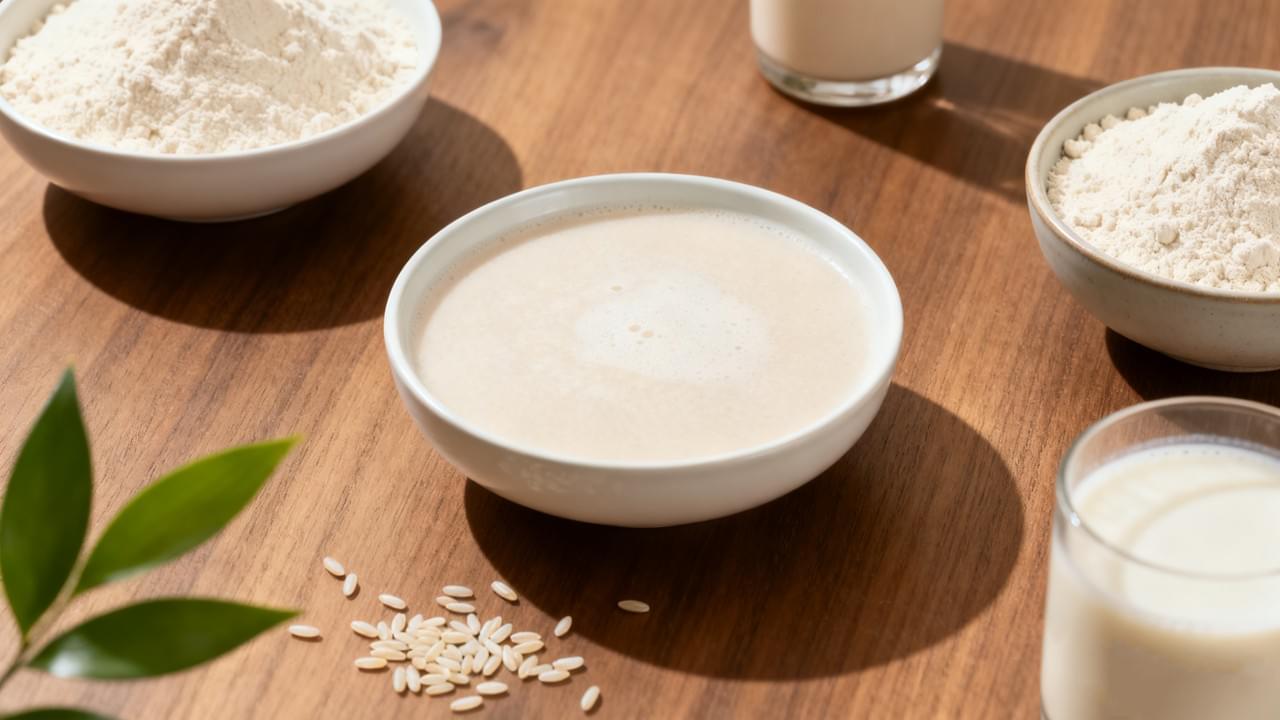
The rice protein revolution is here, reshaping how food brands and manufacturers approach plant-based nutrition. For years, soy protein dominated shelves, but growing demand for allergen-free, non-GMO, and eco-friendly options is fueling a dramatic shift.
According to Allied Market Research, the global rice protein market will surpass USD 350 million by 2030, signaling rapid adoption among clean-label brands.
Leading manufacturers like Deli Foods are at the forefront, offering food-grade rice protein that’s allergen-free, versatile, and sustainably sourced. Their OEM and ODM solutions empower global B2B partners to create custom plant-based formulations efficiently and reliably.
Table of Contents
Toggle1. Hypoallergenic and Highly Digestible Nutrition
Unlike soy, rice protein is naturally hypoallergenic—free from gluten, dairy, and major allergens—making it ideal for sensitive consumers. It delivers over 90% digestibility, ensuring smooth absorption and minimal discomfort.
For B2B buyers in the plant-based protein market, this means access to a clean, safe ingredient that appeals to health-conscious and allergy-aware customers. Deli Foods’ refined rice protein isolates meet global standards (ISO, FSSC, FDA), ensuring both purity and regulatory compliance.
2. Sustainable Protein Sourcing for a Cleaner Future
Sustainability is no longer optional—it’s a market expectation. Rice is cultivated worldwide with a relatively low environmental footprint, making rice protein a more eco-conscious choice than soy, which often involves deforestation and intensive water use.
Manufacturers prioritizing sustainable protein sourcing can partner with Deli Foods to ensure responsible supply chains. With over 20 years of manufacturing expertise and exports to 30+ countries, the company provides stable, traceable, and ethical sourcing for large-scale production.
3. Hemp Protein Benefits: The Perfect Partner to Rice Protein
The hemp protein benefits extend far beyond nutrition—it’s one of the cleanest and most sustainable proteins available. Extracted from Cannabis sativa seeds, it contains all nine essential amino acids, fiber, and healthy omega fats.
When combined, hemp and rice protein create a complete amino acid profile, enhancing texture, solubility, and nutritional value in beverages, bars, and bakery goods.
According to Grand View Research, the global hemp protein industry is growing at 14% CAGR (2024–2030), driven by vegan innovation and sustainability trends.
To meet this demand, Deli Foods offers high-purity hemp protein powder for use in private-label nutrition products, snacks, and supplements—helping brands move beyond soy into the next generation of clean proteins.
4. Versatility Across Functional Food Applications
From protein shakes to energy bars, rice protein is an extremely adaptable ingredient. Its neutral flavor and fine texture make it suitable for blending into smoothies, baked goods, meat alternatives, and even baby foods.
For product developers, this versatility means freedom to innovate without compromise. Combining rice protein with hemp protein creates balanced, flavorful, and functional formulations that align with the clean-label movement.
Manufacturers can leverage Deli Foods’ OEM/ODM Service to design tailor-made products quickly—reducing R&D costs and speeding time-to-market.
5. Market Growth and Future Opportunities
The future of rice protein lies in diversity and innovation. As consumers become more informed, demand for transparent, traceable, and sustainable proteins will continue to grow. Brands that move beyond soy and embrace hemp and rice proteins today will secure early-mover advantages in the competitive plant-based space.
Deli Foods plays a strategic role in this evolution. With an annual capacity of 50,000 tons and a robust supply network, it ensures consistent global delivery of premium plant proteins. For B2B clients, this means reliability, flexibility, and partnership for long-term growth.
The Future Is Beyond Soy
The plant-based protein market is no longer defined by soy—it’s powered by innovation, sustainability, and consumer trust. Rice protein leads the charge, supported by hemp protein benefits and ethical production.
Together, these ingredients offer food manufacturers a cleaner, more diverse foundation for tomorrow’s nutrition. Partnering with Deli Foods allows brands to transform these emerging opportunities into profitable, sustainable success.
For more information or to explore custom plant protein formulations, visit https://delimfg.com/ and connect with their expert team today.


 EN_US
EN_US AR
AR FR
FR DE
DE PT
PT RU
RU ES
ES JA
JA KO
KO