
Table of Contents
ToggleIntroduction: Why Plant Protein Benefits Matter More Than Ever 🌱
The conversation around plant protein benefits has shifted dramatically in recent years. What was once viewed as a “secondary” nutrition option is now recognized as a strategic advantage for global food brands. Driven by long-term health research, sustainability goals, and evolving consumer expectations, plant protein is reshaping modern food manufacturing.
For companies sourcing plant-based protein ingredients, this change is not about trends—it’s about future-proofing product portfolios with science-backed value.
1. Plant Protein Benefits Go Beyond Basic Nutrition 💡
When discussing plant protein benefits, it’s important to move beyond short-term metrics like absorption rates. Long-term studies from institutions such as Harvard University show that replacing part of animal protein with plant protein is associated with lower risks of cardiovascular disease and overall mortality.
Plant proteins naturally come bundled with dietary fiber, antioxidants, and unsaturated fats—components that support long-term metabolic health. This holistic nutrition profile explains why plant protein performs better in population-level health outcomes.
👉 Reference: Harvard T.H. Chan School of Public Health
https://nutritionsource.hsph.harvard.edu/plant-protein/
2. Plant Protein Benefits Support Clean Label and Global Compliance 🌍
Another major plant protein benefit is regulatory flexibility. Many plant-based protein ingredients align more easily with clean-label requirements, allergen control strategies, and international food standards.
For food manufacturers exporting to multiple regions, this simplifies formulation while reducing compliance risks. It also supports sustainability messaging—an increasingly critical factor in brand positioning.
3. Soy Protein: A Core Example of Plant Protein Benefits 🌱
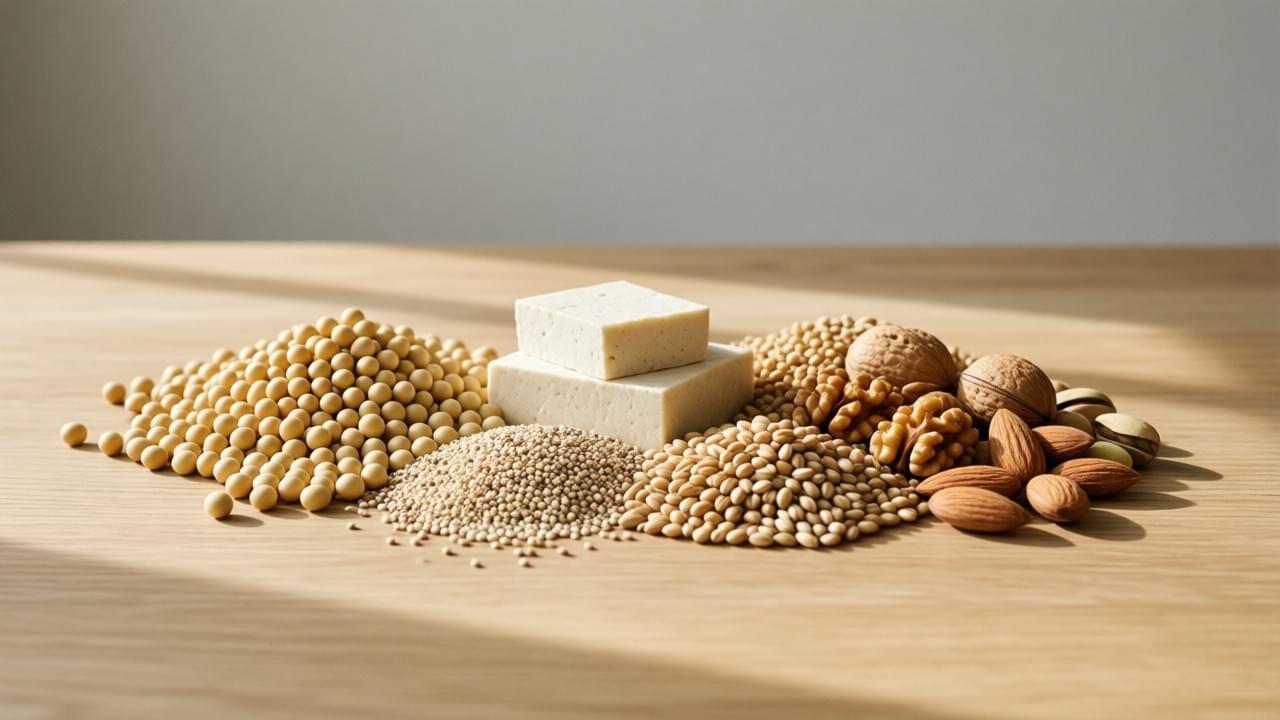
Among plant-based options, soy remains one of the most complete and functional proteins available. From a formulation perspective, soy protein for food manufacturers offers:
- High digestibility
- Balanced amino acid profile
- Strong functional performance in beverages, bakery, and nutrition products
Scientific consensus confirms that moderate soy consumption is safe and may even offer protective health benefits, making it a reliable cornerstone ingredient rather than a controversial one.
4. Plant Protein Benefits Create Commercial Flexibility 📦
From a business standpoint, plant protein benefits include supply stability and formulation versatility. Plant proteins can be adapted across multiple categories—snacks, dairy alternatives, ready meals, and functional nutrition—without heavy reformulation costs.
This flexibility allows brands to respond quickly to market demand while maintaining consistent quality.
5. Why Global Brands Look for a Plant Protein Supplier in China 🇨🇳
As demand rises, many buyers seek a dependable plant protein supplier in China with manufacturing scale, export experience, and quality control systems.
Wuhu Deli Foods supports this demand by offering plant-based ingredient solutions designed for international markets. With stable raw material sourcing, modern processing capabilities, and OEM/ODM support, Deli Foods helps brands turn plant protein benefits into commercially viable products.
Learn more about Deli Foods’ manufacturing capabilities:
👉 https://delimfg.com
6. Plant Protein Benefits Fit Long-Term Market Strategy 📊
The global protein market is moving toward balance, not extremes. Reducing reliance on red and processed meats while increasing plant protein intake aligns with public health guidance and consumer trust.
Brands that integrate plant-based protein ingredients now are better positioned for long-term growth, reduced reputational risk, and stronger sustainability narratives.
7. Turning Plant Protein Benefits Into Brand Value 🚀
Ultimately, the real plant protein benefits lie in integration. Success comes from combining nutrition science, reliable sourcing, and thoughtful product development.
By partnering with experienced manufacturers like Wuhu Deli Foods, global brands can transform plant protein from a concept into a competitive advantage—delivering health-focused products without sacrificing performance or profitability.

 EN_US
EN_US AR
AR FR
FR DE
DE PT
PT RU
RU ES
ES JA
JA KO
KO