
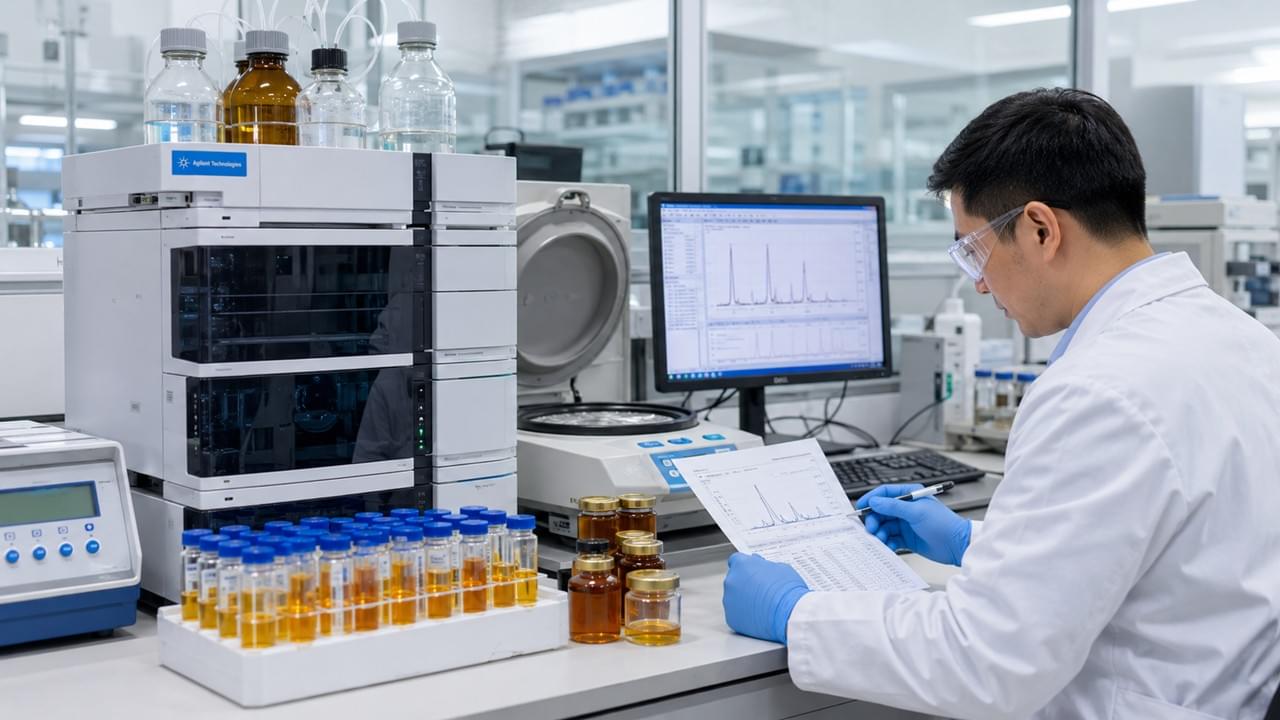
蜂蜜の品質検査は、今日のグローバルな蜂蜜取引において最も重要な安全対策の一つとなっています。🍯 蜂蜜は世界で最も頻繁に偽装される食品の一つであるため、B2Bのバイヤーは、真正性の確認、規制遵守の確保、ブランドイメージの保護といった面で、ますます大きなプレッシャーに直面しています。.
蜂蜜の偽装の背後にある金銭的な動機は単純明快です。高級蜂蜜は、コーンシロップ、米シロップ、サトウキビシロップといった安価な代替品よりもはるかに高値で取引されるからです。適切な検査が行われなければ、輸入業者や販売業者は、希釈されたり、偽造されたりした製品を購入してしまうリスクを負うことになり、規制当局の検査に合格しなかったり、顧客の信頼を損なったりする恐れがあります。.
調達チームにとって、蜂蜜の不正混入検出方法、国際規制、およびサプライヤーの資格認定プロセスを理解することは、もはや選択肢ではなく、必須のデューデリジェンスとなっている。.
本物の蜂蜜製品の入手方法に関する詳しい情報は、公式ウェブサイトをご覧ください。 蜂蜜購入ガイド.
🍯 蜂蜜の偽装が深刻な世界的問題である理由
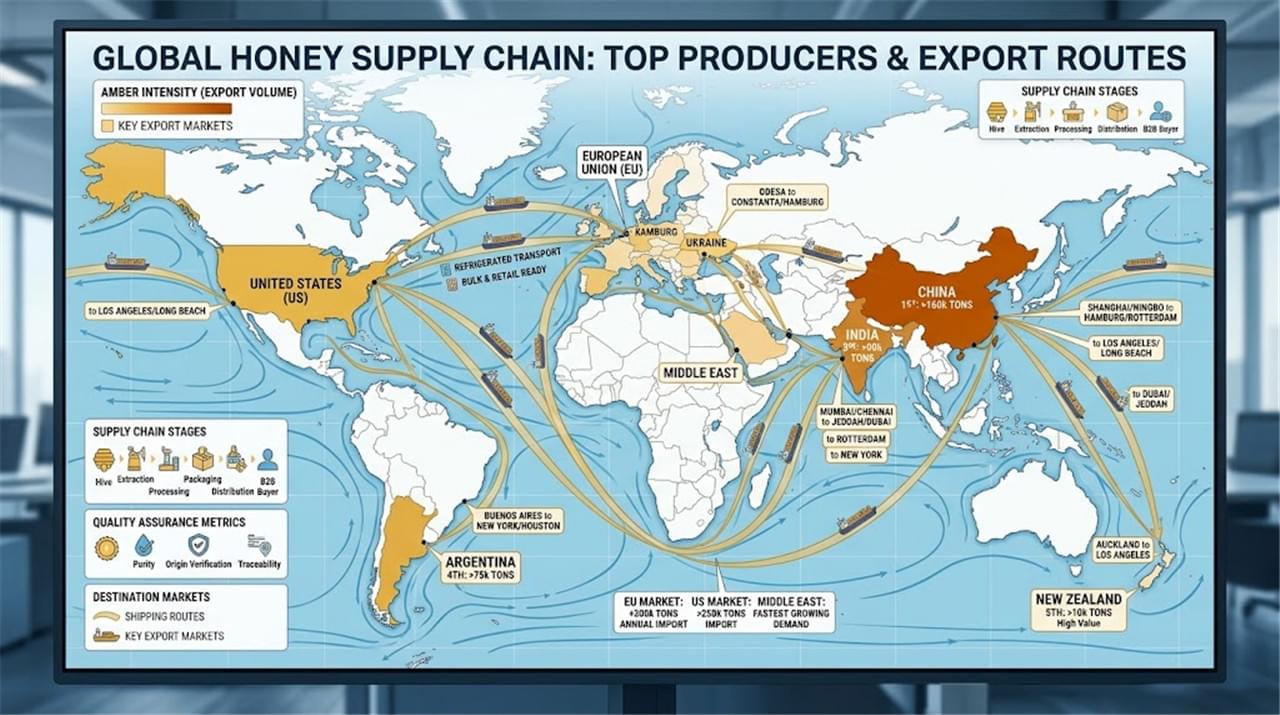
需要の増加とサプライチェーンの細分化により、世界の蜂蜜市場はますます複雑化している。多くの場合、大量混合や不明瞭な原産地表示を通じて、偽造蜂蜜が国際貿易に流入している。.
🍯 C4砂糖の混入に関する蜂蜜の品質検査
最も一般的な不正行為の一つは、高果糖コーンシロップ(HFCS)やサトウキビシロップなどのC4植物由来の糖類を添加することです。本物の蜂蜜は主にC3植物由来であるため、研究所は炭素同位体分析によってこれらの添加物を検出することができます。.
最も広く使われている手法は IRMS(同位体比質量分析法), これは、比較的低濃度のC4糖の混入を検出できる。.
規制市場に大量の蜂蜜を輸入する購入者は、蜂蜜の品質検査手順の一環として、IRMSレポートを要求するべきである。.
🔬 C3シロップ検出のための蜂蜜品質検査
C3混入物は、天然蜂蜜と類似した植物学的経路をたどるため、検出がより困難です。一般的なC3シロップには以下のようなものがあります。
- ライスシロップ
- ビートシロップ
- イヌリンシロップ
従来の同位体検査ではこれらの物質を確実に識別することはできません。代わりに、次のような高度な技術が NMRメタボロミクス また、酵素特異的な分析も必要となる。.
蜂蜜の不正混入検出方法が進化し続けるにつれ、多くのヨーロッパのバイヤーは、大量購入契約において定期的なNMR検査を要求するようになっている。.
最新の食品認証技術について詳しくは、 ユーロフィンズ食品検査サービス.
🌍 地理的表示の偽装と原産地詐欺
もう一つ懸念されているのは、原産地表示の偽装です。低価格のバルクハチミツが、ニュージーランド産マヌカハニーやヨーロッパ産ハチミツといった高級な地域品種として偽装販売されるケースが見られます。.
真正性を確認するために、検査機関は以下の検査を実施する場合があります。
- 花粉分析(花粉学)
- 微量元素プロファイリング
- 地理的同位体マッピング
これらの方法は、花の種類や産地を確認するのに役立つとともに、国際的な蜂蜜品質基準への準拠を裏付けるものです。.
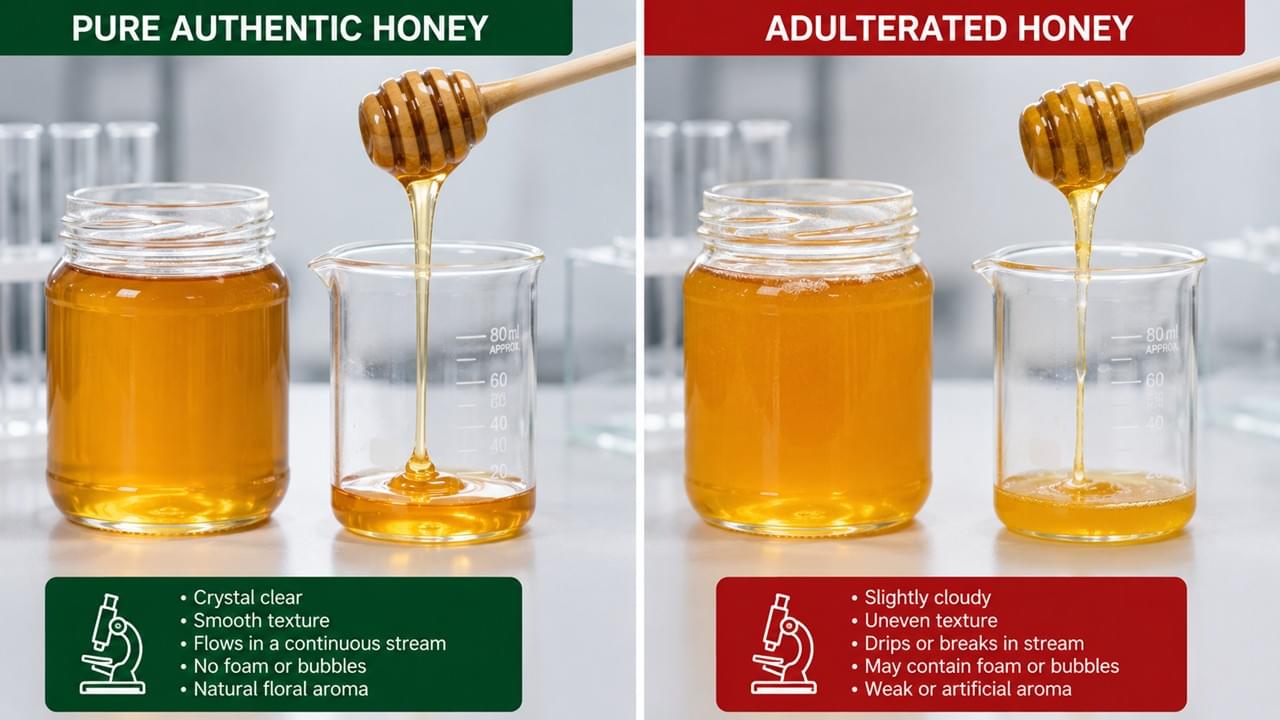
📋 購入者が知っておくべき国際ハチミツ品質基準
国際規制を理解することで、購入者は輸入および流通におけるコンプライアンスリスクを軽減できます。.
📌 コーデックス・アリメンタリウス蜂蜜規格
の 蜂蜜に関するコーデックス食品規格(CODEX STAN 12-1981) 世界的に認められた品質基準を確立する。.
| パラメータ | 要件 |
| 水分含有量 | ≤20% |
| 果糖+ブドウ糖 | ≥60% |
| スクロース | ≤5% |
| HMF | ≤40 mg/kg |
| 遊離酸度 | ≤50 mEq/kg |
| ジアスターゼ活性 | ≥8 シャーデ |
これらの基準は、世界の蜂蜜品質検査手順において広く参照されている。.
公式のコーデックス規格については、こちらをご覧ください。 コーデックス食品規格委員会.
🇪🇺 EUハチミツ指令の要件
欧州連合は、他の多くの市場よりも厳格なトレーサビリティおよび表示要件を適用している。.
主な要件は以下のとおりです。
- 原産国に関する完全な情報開示
- ブレンドハチミツのラベル表示の透明性
- 過剰なろ過に対する制限
- 濾過蜂蜜と製菓用蜂蜜の定義を別々に定める
ヨーロッパのバイヤーは、輸入を承認する前に、バルク蜂蜜の供給業者に対するより厳格な資格証明書類を要求することが多い。.
🇺🇸 米国の蜂蜜輸入基準
米国では、蜂蜜はFDA(米国食品医薬品局)の一般的な食品安全規制の対象となります。.
輸入業者は以下を確認する必要があります。
- FDA施設登録
- 事前通知遵守
- 州レベルの表示要件
- 米国農務省の自主的な等級基準
カリフォルニア州とニューヨーク州は、連邦政府の要件に加えて、追加の表示規則を適用する場合があります。.
現在の輸入に関するガイダンスは以下で確認できます。 米国食品医薬品局(FDA)の食品に関するガイダンス.
🔬 B2Bバイヤーのための必須ハチミツ品質検査方法
🧪 レベル1:基本的な蜂蜜の品質検査
すべての出荷品には、主要パラメータを網羅した分析証明書(CoA)を添付する必要があります。.
| テスト | 目的 | コモンメソッド |
| 水分 | 発酵リスク | 屈折計 |
| HMF | 熱損傷インジケーター | HPLC |
| ジアスターゼ | 鮮度評価 | ファデバス |
| 遊離酸度 | 品質検証 | 滴定 |
| 糖質プロファイル | 異物混入スクリーニング | HPLC |
これらの基本的な指標は、信頼性の高い蜂蜜の品質検査の基礎となる。.
🔍 レベル2:高度な異物混入検査
サプライヤーの資格認定および長期的な調達パートナーシップにおいては、高度なスクリーニングを強く推奨します。.
| テスト | 検出する |
| IRMS | サトウキビシロップとコーンシロップ |
| NMRメタボロミクス | 米シロップとビートシロップ |
| 花粉分析 | 花の起源に関する詐欺 |
| ICP-MS | 地理的微量元素 |
高度な蜂蜜の偽装検出方法は、輸入業者にとっての調達リスクを大幅に低減します。.
⚠️ レベル3:汚染物質および残留物検査
規制された輸出市場では、通関手続きの前に汚染物質分析が求められることが多い。.
重要なスクリーニングカテゴリーは以下のとおりです。
- 農薬残留物
- 抗生物質残留物
- 重金属
- 動物用医薬品の汚染
日本、EU、米国は、輸入蜂蜜に対して厳格な残留基準値(MRL)を設けている。.
農薬規制遵守情報については、以下を参照してください。 欧州食品安全機関(EFSA).
📑 サプライヤーのテストレポートを正しくレビューする方法
多くの購入者は、サプライヤーが試験報告書を提供するかどうかだけに注目しがちです。しかし、文書の信頼性も同様に重要です。.
✅ 検査機関の認定を確認する
必ず検査室を確認してください ISO 17025認定 記載されている特定の試験方法について。.
📦 ロット追跡可能性を確認する
報告されるサンプルは、提供される製造ロットと完全に一致している必要があります。一般的な年次報告書では、本格的な調達業務には不十分です。.
📅 製造日と試験日を比較する
HMFおよび酵素活性は、保管条件によって時間とともに変化する可能性があります。最近の検査結果は、現在の製品品質をより正確に把握するのに役立ちます。.
🔄継続的なテストをリクエストする
強力なサプライヤー契約には、以下の事項が求められるべきである。
- 出荷ごとの検査
- 四半期ごとの検証
- 第三者機関による無作為監査
このアプローチは、長期的な大量蜂蜜供給業者の資格認定プログラムを強化するものです。.
🏭 調達リスクの軽減に役立つ認証
認証は検査室での試験を完全に代替するものではないが、業務上の信頼性を高める上で役立つ。.
📜 蜂蜜供給業者にとって重要な認証
- ISO 22000
- HACCP
- オーガニック認証
- ハラール認証
これらのシステムは、食品安全管理、トレーサビリティ、および輸出準備を向上させる。.
詳細については、社内ガイドもご覧ください。 蜂蜜の品質基準と認証.
🤝 信頼できる蜂蜜供給業者の資格認定プロトコルの構築
体系的な資格審査プロセスは、購入者が商業リスクとコンプライアンスリスクを最小限に抑えるのに役立ちます。.
📌 推奨される資格取得手順
- 完全な認証文書を請求してください
- 複数の生産ロットからの最近のCoAを確認する
- ティア1およびティア2の検査報告書が必要です
- 独立した第三者による検証を実施する
- 戦略的サプライヤーの工場監査を実施する
- 契約書に継続的なテスト義務を明記する
デリフーズでは、ロットレベルの検査報告書、認証書、施設監査記録などを含む、サプライヤー資格に関する完全な文書パッケージをご要望に応じてご提供いたします。.
👉 公式を通じて追加の調達情報をリクエストすることもできます デリ食品連絡先ページ.
今日の競争の激しいグローバルな蜂蜜取引において、蜂蜜の品質検査はもはや単なる技術的な要件ではなく、事業を守るための重要な戦略となっている。.
高度なシロップの不正混入の検出から、原産地表示の検証、汚染物質の基準遵守まで、最新の検査プロトコルは、購入者が経済的損失を減らし、顧客の信頼を守るのに役立ちます。.
より強固な検証システム、透明性の高いサプライヤーとの関係、そして国際的に認められた試験基準に投資する企業は、規制がますます厳しくなるグローバル市場で成功するためのより良い立場に立つことができるだろう。.
 English
 Arabic
 French
 German
 Portuguese
 Russian
 Spanish
 Japanese
 Korean